In an era where efficiency, convenience, and cost-effectiveness are paramount, the way we manage our energy consumption has undergone significant changes. Among the innovative solutions leading this transformation is the Split Prepaid Electricity Meter. This technology is redefining how residential and commercial properties handle electricity, offering a range of benefits that make it a preferred choice for many consumers.
What Are Split Prepaid Electricity Meters?
Split Prepaid Electricity Meters are advanced metering devices designed to provide a seamless and efficient way of managing electricity consumption. Unlike traditional electricity meters, these meters operate on a prepaid basis, allowing users to pay for their electricity usage upfront. This method not only helps in budgeting but also eliminates the shock of unexpected bills.
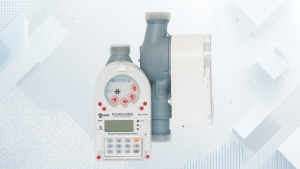
The term “split” refers to the design of these meters, which separates the user interface from the metering unit. The user interface, typically installed inside the premises, allows consumers easy access to their usage data and credit status. The metering unit, on the other hand, is securely installed at a different location, often outside the premises, to reduce the risk of tampering.
Key Benefits of Split Prepaid Electricity Meters
- Cost Management and Budgeting: One of the most significant advantages of split prepaid meters is the ability to control energy expenses. Users can purchase electricity credits according to their budget, preventing overspending and encouraging energy conservation.
- Enhanced Security: By separating the user interface from the metering unit, these meters provide an added layer of security. This design helps protect against tampering and unauthorized access, ensuring accurate readings and billing.
- Real-Time Monitoring: With split prepaid meters, consumers have access to real-time data on their electricity consumption. This feature allows for better monitoring of usage patterns and helps identify areas where energy savings can be made.
- Convenience and Accessibility: The ability to recharge credits remotely adds a level of convenience. Users can easily top up their accounts via mobile apps, online platforms, or at physical points of sale, making the process quick and hassle-free.
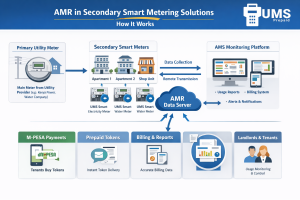
- Ideal for Rental Properties: Split prepaid meters are particularly beneficial for landlords and property managers. They simplify the management of electricity billing for multiple tenants, ensuring that each tenant pays for their actual consumption. This setup also eliminates disputes over shared utility bills.
Applications and Use Cases
Split prepaid electricity meters are versatile and can be used in various settings:
- Residential Properties: Homeowners can manage their energy costs effectively, especially in regions with variable electricity prices.
- Commercial Properties: Businesses can better control their operational expenses by monitoring and regulating their electricity usage.
- Rental Properties: Landlords can simplify billing and ensure fair distribution of electricity costs among tenants.
The Future of Split Prepaid Electricity Meters
As the demand for smart and efficient energy solutions grows, split prepaid electricity meters are poised to play a crucial role in the future of energy management. Their ability to provide real-time data, enhance security, and offer flexibility makes them a valuable tool for both consumers and utility providers. Furthermore, as technology advances, we can expect even more features and integrations, such as smart home compatibility and advanced analytics, to be incorporated into these meters.
In conclusion, split prepaid electricity meters represent a significant step forward in the way we manage our electricity consumption. They offer a modern, user-friendly approach to energy management that aligns with the needs of today’s consumers. Whether for residential, commercial, or rental properties, these meters provide a practical solution for controlling costs and promoting energy efficiency.