When planning for a commercial property in Kenya—whether it is an office block, shopping mall, apartment complex, or industrial facility—power planning is one of the most critical steps. Without a proper power strategy, property owners and developers risk facing delays, unexpected costs, or inadequate electricity supply to sustain their tenants and operations.
In this article, we take you through the process of planning for electrical power requirements in Kenya, highlighting the role of Kenya Power, engaging professional engineers, and preparing for both grid and backup supply. We will also show how UMS Kenya’s power metering solutions (single-phase and three-phase secondary meters) can simplify management and billing for landlords, businesses, and property managers.
1. Understanding Power Needs for Commercial Properties
The first step in electrical power planning is to assess the property’s expected load demand. Different types of properties have different needs:
- Office buildings require stable electricity for lighting, air conditioning, lifts, and IT infrastructure.
- Shopping malls need significant power for escalators, elevators, refrigeration, and tenant shops.
- Apartment complexes rely on reliable supply for lighting, water pumps, security systems, and household appliances.
- Industrial facilities often need three-phase supply to run heavy machinery.
A load estimation study will give clarity on whether your property requires single-phase or three-phase power supply, and the total load (in kVA or kW) that must be catered for.
2. Checking with Kenya Power Grid Availability
Before construction approvals, property developers should engage Kenya Power (KPLC) to check the availability of electricity supply in the proposed location. Kenya Power will assess:
- Existing grid infrastructure in the area.
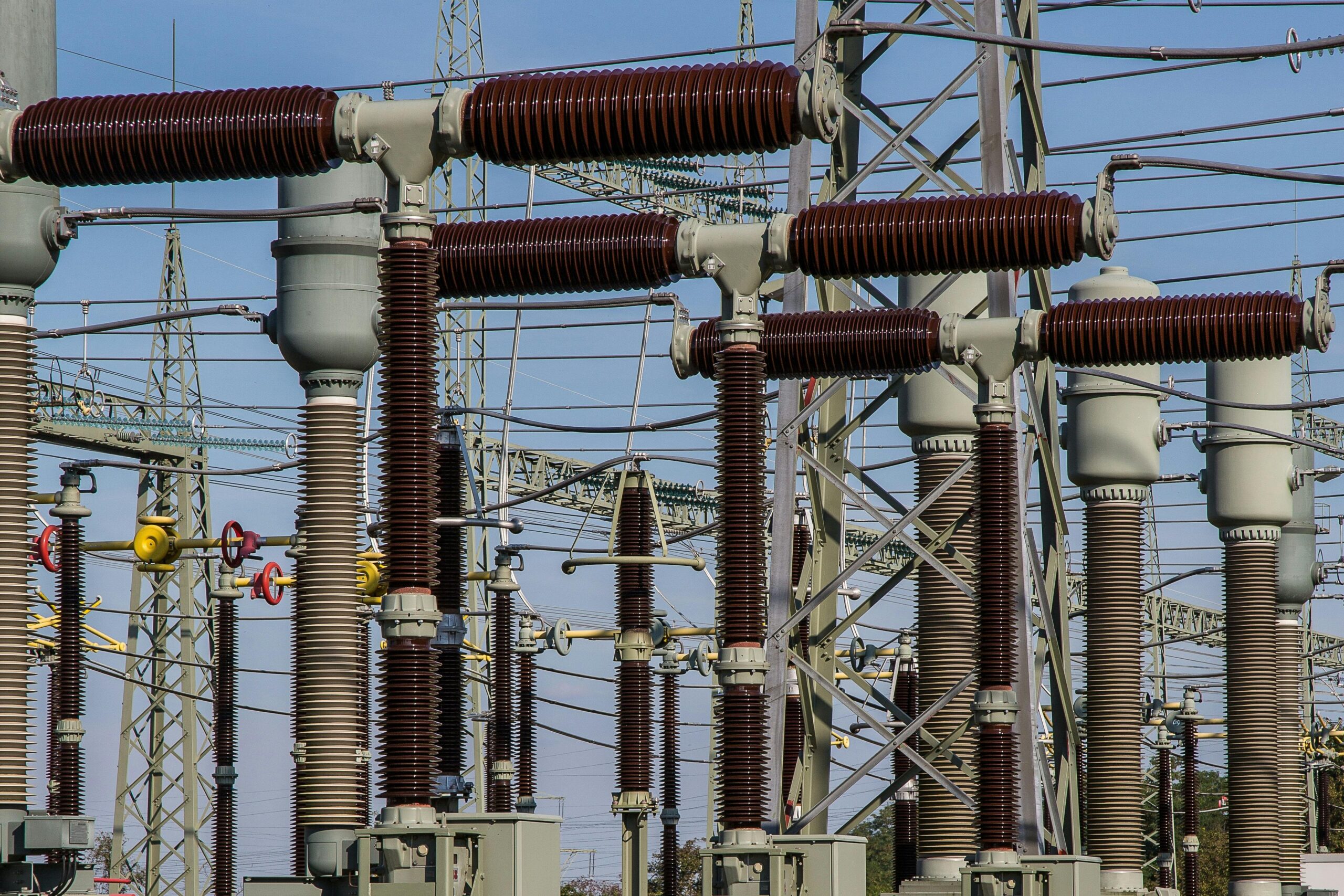
- Distance from the nearest transformer or substation.
- Capacity of the local grid to handle the new demand.
In some cases, developers may need to fund line extensions or request installation of a new transformer to support their property. This step is critical because it determines timelines, costs, and whether immediate power connection is feasible.
3. Engaging an Electrical Engineer Before Approvals
Electrical engineers play a central role in commercial property power planning. They will:
- Conduct load calculations to determine how much power the property will need.
- Design internal electrical layouts (distribution boards, cabling, sockets, safety systems).
- Prepare drawings and documentation for submission to county governments and Kenya Power for approval.
- Ensure compliance with Kenya’s electrical standards (such as the Energy Act and regulations from the Energy and Petroleum Regulatory Authority, EPRA).
Engaging a licensed engineer early prevents costly redesigns and ensures the project receives approvals smoothly.
4. Kenya Power Meter Allocation
Once approvals are in place, Kenya Power allocates meters based on the property’s needs:
- Single-phase meters for small businesses, shops, and individual apartments.
- Three-phase meters for commercial blocks, industrial users, boreholes, and heavy load applications.
For landlords and developers, Kenya Power meters are the primary supply meters. However, for effective tenant management, many landlords also install secondary sub-meters to track and bill tenants individually.
This is where UMS Kenya’s prepaid meters come in. They allow property managers to distribute electricity fairly, prevent unpaid bills, and even integrate with backup power sources like solar or generators.
5. Mapping Power Capacity to Supply and Transformer Needs
One of the most overlooked aspects in commercial property development is transformer capacity planning. Kenya Power requires assurance that the nearest transformer has adequate load capacity to support your development.
If the existing transformer is inadequate, the developer may need to:
- Apply for a dedicated transformer for the property.
- Co-finance a transformer upgrade with Kenya Power.
- Plan for phased connections depending on load growth over time.
This step ensures that your property avoids frequent outages, low voltage, and unstable supply.
6. Backup Power Planning: Solar and Generators
In Kenya, grid power supply can be unreliable, with occasional blackouts or fluctuations. For commercial properties, backup power solutions are essential to maintain tenant satisfaction and prevent business losses.
Common backup solutions include:
- Diesel Generators – Reliable but expensive to run long-term.
- Solar Power Systems – Increasingly popular for reducing electricity bills and ensuring sustainability.
- Hybrid Systems – Combining solar, grid power, and generators for seamless supply.
Property developers should factor in backup capacity based on critical loads such as lifts, security lighting, IT servers, and refrigeration systems.
With UMS Kenya’s prepaid secondary meters, property owners can meter backup power separately, allowing them to charge tenants for generator or solar consumption fairly.
7. Integrating Prepaid Secondary Power Meters
Kenya Power provides the main connection, but landlords and property developers need a smart way to manage consumption internally. That is where UMS Kenya’s power meter solutions come in.
We provide:
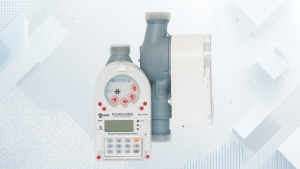
- Integrated Single-Phase Prepaid Meters – For apartments, small shops, and office units.
- Split Single-Phase Prepaid Meters – For secure and tamper-proof installations.
- Three-Phase Prepaid Meters – For heavy users, boreholes, and commercial tenants.
- Smart Prepaid Meters – Offering advanced monitoring and integration with backup power.
Our meters are secondary meters to Kenya Power, meaning they are perfectly legal, and allow property owners to:
- Monitor and bill tenants fairly.
- Collect payments via M-Pesa Paybill.
- Allocate power from both grid and backup sources.
- Adjust tariffs depending on consumption and cost recovery.
Learn more about our range of power meters at umskenya.com.
8. Case Example: Apartment Complex in Nairobi
Imagine a developer constructing a 50-unit apartment block in Nairobi. Here’s how power planning would proceed:
- Load estimation shows the property requires 120kVA.
- Kenya Power confirms the nearby transformer has limited spare capacity.
- The developer applies for a new 250kVA transformer.
- An electrical engineer designs wiring and ensures compliance.
- Kenya Power installs a three-phase main meter for the property.
- The developer installs UMS Kenya prepaid sub-meters for each unit.
- Backup power is added via a solar system and generator, metered through UMS Kenya’s solutions.
With this setup, tenants manage their own electricity costs, and the landlord avoids chasing unpaid bills.
9. Benefits of Proper Power Planning
When done correctly, power planning delivers:
- Reliable supply for tenants and businesses.
- Reduced costs from avoiding last-minute redesigns or transformer upgrades.
- Fair billing using UMS Kenya prepaid sub-meters.
- Backup readiness in case of blackouts.
- Compliance with Kenya Power and EPRA requirements.
10. Why Choose UMS Kenya for Your Metering Needs?
At UMS Kenya, we specialize in water and power prepaid metering solutions tailored for landlords, property managers, and businesses across Kenya. Our power meters are designed to:
- Work alongside Kenya Power meters as secondary meters.
- Meter backup power sources like solar and generators.
- Provide flexible tariff options for landlords.
- Offer easy payment collection via M-Pesa.
If you are a property developer, electrical contractor, or landlord planning your next commercial project, visit umskenya.com to explore our solutions.
Final Thoughts
Electrical power planning is not just a formality—it is the backbone of successful commercial property development in Kenya. From checking Kenya Power’s grid availability to engaging engineers, securing meter allocations, and planning for backup systems, every step matters.
By integrating UMS Kenya’s prepaid sub-meters, you gain control, efficiency, and peace of mind in managing electricity for your tenants and operations.
To get started with reliable power metering solutions, visit umskenya.com or contact our team today.