If you are building a new home, developing apartments, or setting up a commercial property in Kenya, one of the key steps is applying for a Kenya Power (KPLC) electricity meter. But how exactly do you get one and what happens if you have multiple units that need separate billing?
Let’s walk through the process and explore the smart solution for multi-unit properties.
Step 1: Apply for a New Kenya Power Connection
To get a new KPLC meter, you must apply directly through Kenya Power. Applications can be made:
- Online via the Kenya Power self-service portal
- At your nearest Kenya Power office
- Through Huduma Centres
You will typically be required to provide:
- A copy of your national ID or certificate of incorporation (for companies)
- PIN certificate
- Proof of land ownership or lease agreement
- Wiring certificate from a licensed electrician
Once your application is approved and payment is made, Kenya Power schedules installation.
Step 2: Site Inspection and Installation
Kenya Power will inspect the site to confirm wiring compliance and determine whether you require:
- Single-phase supply (common for residential homes)
- Three-phase supply (for heavy loads or commercial use)
After inspection and approval, the meter is installed. This meter becomes the main utility meter, measuring all electricity entering your property.
But here’s where many developers face a challenge.
What If You Have Multiple Units?
If you own:
- An apartment block
- Rental houses
- Student hostels
- Commercial shops
- Mixed-use developments
Kenya Power may not always install individual meters for every unit within a single property. In most cases, you receive one main meter (mother meter) for the entire building.
This means the total electricity consumption for all tenants is recorded under one account.
Without a proper system, landlords are forced to:
- Estimate tenant usage
- Divide bills manually
- Absorb unpaid electricity costs
- Handle frequent billing disputes
This is where secondary metering becomes essential.
How UMS Kenya Comes In: Secondary (Sub) Metering Solution
UMS Kenya provides secondary metering solutions that work seamlessly with your KPLC mother meter.
Here’s how it works:
- Kenya Power installs one main meter for the property.
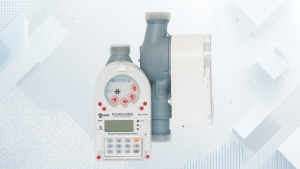
- UMS Kenya installs individual submeters for each housing unit, shop, or office.
- Each submeter measures the exact electricity consumption of that specific unit.
- Tenants either:
- Purchase prepaid tokens, or
- Are billed based on actual usage (postpaid option).
The main KPLC meter continues to measure total property consumption, while UMS submeters fairly distribute usage per unit.
Why Secondary Metering Makes Sense
✔ Accurate billing per tenant
✔ No more estimation disputes
✔ Eliminates electricity arrears (with prepaid system)
✔ Protects landlords from losses
✔ Encourages responsible electricity use
Instead of struggling with manual billing, your property runs on a structured and transparent system.
Ideal for New Developments
If you are applying for a new KPLC meter for:
- A newly constructed apartment
- A gated community
- Rental units
- Commercial spaces
It is wise to plan for secondary metering from the beginning. Installing submeters during construction saves cost and simplifies wiring design.
Final Thoughts
Getting a new KPLC meter is the first step in powering your property. But if your development has multiple units, one mother meter alone is not enough for proper billing management.
By integrating UMS Kenya’s secondary metering solution, you can efficiently split electricity across units while maintaining fairness, control, and revenue protection.
If you’re developing property in Kenya and need guidance on setting up a reliable submetering system, UMS Kenya is ready to support your project.