In the evolving landscape of energy management, prepaid electricity meters have become a popular choice for residential, commercial, and industrial properties. Among the various options available, Split Prepaid Electricity Meters and Integrated Prepaid Electricity Meters stand out as two prominent technologies. While both offer the convenience of prepaid billing and real-time monitoring, they differ significantly in design, functionality, and application. In this blog, we’ll explore the key differences between these two types of meters to help you understand which option might be best suited for your needs.
Design and Structure
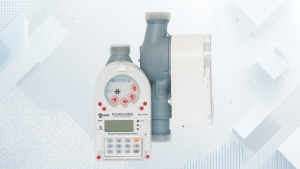
Split Prepaid Electricity Meters consist of two separate units: the metering unit and the user interface. The metering unit is typically installed at a secure location, such as outside the premises or in a utility room, to reduce the risk of tampering. The user interface, often a keypad or display, is installed inside the premises, providing users with easy access to consumption data and credit status. This split design enhances security and ensures that the metering unit is protected from unauthorized access.
In contrast, Integrated Prepaid Electricity Meters combine the metering unit and the user interface into a single, compact device. This all-in-one design simplifies installation and maintenance, making it a practical choice for various applications. Users can interact with the meter directly, as all components are housed within the same unit.
Installation and Maintenance
Due to their separate components, Split Prepaid Meters require a more complex installation process, often involving a qualified technician. The separation of the metering unit and user interface necessitates proper cabling and placement to ensure accurate communication between the two units. Maintenance may also require access to both components, depending on the issue.
Integrated Prepaid Meters, with their all-in-one design, offer a more straightforward installation process. Since the entire system is housed within a single unit, there are fewer components to manage, making installation quicker and potentially less expensive. Maintenance is also simplified, as all necessary components are easily accessible within the single device.
Security Features
One of the primary advantages of Split Prepaid Meters is their enhanced security. By placing the metering unit in a secure, tamper-proof location, these meters minimize the risk of tampering and unauthorized access. This design ensures that the meter readings are accurate and reliable, providing both consumers and utility providers with confidence in the billing process.
While Integrated Prepaid Meters also offer secure billing and monitoring, their single-unit design may make them more susceptible to tampering if not properly secured. However, modern integrated meters often come with advanced security features, such as tamper alerts and encrypted communication, to mitigate these risks.
User Experience and Convenience
Both Split and Integrated Prepaid Meters offer real-time monitoring of electricity consumption, allowing users to track their usage and manage their budgets effectively. However, the user experience can differ based on the design.
With Split Meters, users interact primarily with the user interface inside their premises. This interface may include features such as a keypad for entering recharge codes, a display for viewing usage data, and alarms for low credit. The separation can also offer a cleaner look, as the metering unit is hidden away.
Integrated Meters, on the other hand, provide a more compact and unified experience. Users can access all functionalities directly on the meter, which typically includes a display and possibly buttons for navigation. This simplicity can be appealing for users who prefer a streamlined, all-in-one device.
Applications and Suitability
Split Prepaid Meters are particularly well-suited for scenarios where security is a major concern, such as in multi-tenant buildings or areas prone to tampering. They are also ideal for properties where the aesthetic or practical need exists to hide the metering unit.
Integrated Prepaid Meters are versatile and suitable for a wide range of applications, including residential, commercial, and industrial settings. Their ease of installation and maintenance makes them an attractive option for new installations and retrofits alike.
Conclusion
Both Split and Integrated Prepaid Electricity Meters offer valuable benefits for managing electricity consumption, each with its unique features and advantages. The choice between the two largely depends on specific needs, including security concerns, installation complexity, and user preference. Understanding these differences can help consumers and property managers make informed decisions about the best metering solution for their requirements. Whether prioritizing security, convenience, or ease of use, both options represent a modern approach to energy management that aligns with today’s technological advancements and consumer expectations.