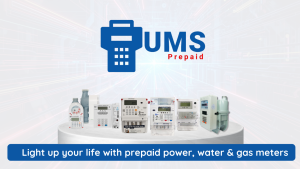
Kenya’s energy landscape is changing fast. From the rapid uptake of rooftop solar and hybrid systems to growing urban developments with lifts (elevators), malls, and mixed‑use properties, the way we consume—and pay for—electricity is evolving. At the center of this shift sits the smart prepaid meter: a device that combines accurate metering, digital payments, and real‑time control to make energy management simpler, fairer, and more efficient.
In this article, we break down how smart prepaid meters work, why they matter for residential and commercial users, what to consider when choosing one, and how they unlock value for renewable energy systems and critical loads like lifts.
What is a Smart Prepaid Meter?
A smart prepaid meter is an electricity meter that lets users pay for power in advance and monitor consumption in real time. Beyond the traditional “token” workflow, modern meters offer features such as:
- Mobile money vending (e.g., M‑PESA), instant top‑ups, and automated receipts.
- Load control (set limits per user/flat/shop to prevent overloading circuits).
- Tamper detection and event logs for improved safety and revenue protection.
- Remote disconnect/reconnect (where enabled) and outage/low‑credit alerts.
- Data analytics—hourly/daily consumption, peak tracking, and anomaly detection.
For landlords, property managers, and businesses, smart prepaid meters remove the admin of manual billing, eliminate bill disputes, and improve cash flow. For tenants and homeowners, they provide transparency and better control of monthly budgets.
Why Kenya Needs Smart Prepaid Now
Kenya already leads the region in mobile money and clean energy. But three realities make smart prepaid meters especially timely:
- Urban growth & densification: More apartments, mixed‑use properties, and shopping complexes need fair, auditable sub‑metering—especially where one main Kenya Power meter feeds many units.
- Rise of renewables & hybrids: Households and businesses are adding rooftop solar, batteries, and generators. Smart meters help allocate costs and manage energy flows between sources.
- Operational efficiency: Manual readings and postpaid invoicing cause delays and losses. Prepaid models convert energy to cash immediately, cutting arrears and improving maintenance planning.
How Smart Prepaid Meters Work (Behind the Scenes)
While user experience is simple—buy a token, load, and use power—the technology stack is robust:
- Accurate measurement: The meter records voltage, current, power factor, and energy (kWh) with high precision, often Class 1 or better.
- Secure vending: Payments via Paybill or POS generate encrypted tokens. When entered, the meter adds credit and updates its ledger.
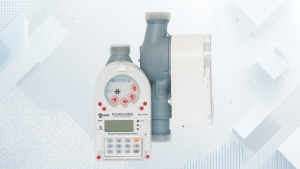
- Communications: Depending on model, it can support split configurations (separate keypad/display from the metering unit), RF/PLC/GSM communication, and remote firmware updates.
- Controls & safety: Load limits, over/under‑voltage protections, and tamper alarms protect both equipment and property wiring.
The result: energy data, payments, and control wrapped into one experience that works just as well for a single bedsitter as it does for a 100‑shop market complex.
Residential Properties: Fair, Transparent, and Hassle‑Free
Sub‑metering is one of the biggest pain points in rentals. A single primary (Kenya Power) meter often feeds several houses or shops. Without proper secondary (sub) meters, landlords guess or split bills equally—leading to disputes and late payments.
Smart prepaid meters solve this by:
- Splitting the main supply into accurately metered units—each tenant tops up their own meter.
- Eliminating end‑month chasing: Cash comes in upfront; the system enforces pay‑as‑you‑go.
- Encouraging conservation: Real‑time balance and usage prompts help tenants cut waste.
- Protecting circuits: Per‑unit load limits prevent one tenant from overloading shared wiring.
Common residential use cases:
- Single‑phase bedsitters and 1–3 bedroom rentals (integrated or split meters).
- Multi‑unit compounds with a three‑phase main supply but individual single‑phase units.
- Landlords who want visibility on total estate consumption vs. recovered tenant energy.
Commercial Properties: Control Costs, Protect Equipment, Boost Uptime
For shops, salons, restaurants, and office parks, electricity is a core input. Prepaid smart meters provide:
- Granular cost tracking: See which shops or departments drive peak demand.
- Automated revenue collection: No manual invoicing or arrears management.
- Peak management: Set load thresholds; schedule high‑load tasks off‑peak if applicable.
- Tamper & safety events: Faster fault finding and maintenance scheduling.
In malls or mixed‑use sites, property managers can also segment common‑area loads—lighting, pumps, lifts—and allocate costs fairly to owners or service charge accounts.
Lifts (Elevators): Dedicated Metering for Safety and Reliability
Lifts are high‑priority, safety‑critical loads. A lift that trips a breaker or runs out of credit is a risk. Smart prepaid metering supports safer, more reliable lift operations by:
- Dedicated metering: Isolate the lift supply on its own meter to monitor true energy use and plan budgets accurately.
- Load limiting with headroom: Configure thresholds that prevent nuisance trips while protecting upstream circuits.
- Alerts & continuity planning: Low‑credit alerts prompt timely top‑ups; remote disconnect can be disabled or policy‑controlled for critical loads.
- Backup integration: When paired with solar‑battery or generator systems, managers can track when the lift draws from backup sources and plan maintenance refills/charges.
For compliance and tenant confidence, many developers now treat lift metering as its own “cost center” with transparent reporting.
Renewable Energy: Make Every Kilowatt Count
Kenya’s sunny climate and falling solar costs are driving adoption of rooftop PV and hybrid solar‑battery‑generator systems. Smart prepaid meters play well with these ecosystems in several ways:
- Cost allocation in hybrids: Where solar offsets daytime consumption, prepaid meters help track what portion of energy a tenant or department actually used—whether from grid, solar, or battery.
- Demand shaping: With visibility on peaks, sites can shift discretionary loads (e.g., water heating, pumping) to sunny hours, maximizing solar self‑consumption.
- Protection & quality: Extended voltage/frequency monitoring helps identify inverter wiring errors, sag/swell issues, and poor power factor that could shorten equipment life.
- Micro‑grids & estates: In private grids, prepaid meters enforce fair usage and cash collection without constant supervision.
Tip: When sizing a solar‑battery system for a multi‑tenant property, use historical meter data (per unit) to calculate realistic peak and daily kWh needs. This prevents over‑ or under‑sizing and speeds ROI.
Choosing the Right Meter: A Practical Checklist
When evaluating prepaid meters for your site, consider these criteria:
- Phase & capacity: Single‑phase (residential/shops) vs. three‑phase (boreholes, workshops, lifts, heavy machinery). Ensure the meter’s current rating matches your main breakers and expected load.
- Form factor:
- Integrated single‑phase—meter and keypad in one compact unit. Great for individual houses/shops.
- Split single‑phase—meter is secured in a locked cabinet; user keypad is inside the home/shop for convenient top‑ups. Ideal for estates and apartments.
- Accuracy & standards: Look for Class 1.0 or better accuracy and adherence to recognized prepayment standards (e.g., STS token compatibility) for interoperability and security.
- Safety & durability: Surge protection, over/under‑voltage protection, anti‑tamper features, and robust enclosures.
- Controls & UX: Clear display, friendly alerts (low credit), audible alarms (optional), configurable load limits, and event logs.
- Communications: Options for remote monitoring, GSM/RF/PLC communications, and firmware updates where supported.
- Vending & support: Easy token purchase (mobile money/Paybill), fast support, and local availability of replacements/spares.
- Data access: Ability to export consumption logs for audits, billing, or energy optimization projects.
Typical Setups by Use Case
- Bedsitters & small shops: Integrated Single Phase Meter per unit; landlord sets reasonable load limit (e.g., to protect against electric cookers on undersized wiring).
- Apartments & estates: Split Single Phase Meters per flat; common‑area loads (corridor lights, pumps) on separate meters managed by the service charge.
- Workshops & boreholes: Three Phase Meter with adequate current rating and surge protection; consider power factor correction if motors run frequently.
- Malls/mixed‑use: Combination of Single Phase for shops and Three Phase for lifts, HVAC, and food courts; central dashboard for management.
- Solar‑hybrid sites: Prepaid meters downstream of the hybrid inverter/ATS to allocate costs fairly across tenants while protecting batteries from abuse.
Return on Investment (ROI): Where the Savings Come From
- Zero arrears: Prepaid converts consumption to cash instantly.
- Lower technical & non‑technical losses: Tamper detection, load limits, and better wiring discipline.
- Maintenance efficiency: Meter events help pinpoint faults faster, reducing downtime and call‑outs.
- Energy conservation: Users spend more consciously when they see real‑time balances.
- Right‑sizing equipment: With data, you can size solar, batteries, and generators accurately—no guesswork.
Many landlords recover the cost of meters within months through fewer disputes, timely cash flow, and reduced peak‑related tripping and repairs.
Frequently Asked Questions (FAQs)
Q1: Can I use a smart prepaid meter as a secondary meter if my property already has a Kenya Power meter?
Yes. That’s the most common use case. The Kenya Power meter remains the primary; your smart prepaid meters sub‑divide and manage energy per tenant or department.
Q2: What happens if credit runs out?
Supply to that unit disconnects automatically (subject to configuration). For critical loads like lifts, managers typically set policies to avoid unexpected cut‑offs and maintain a minimum balance.
Q3: How do tenants buy tokens?
Typically via M‑PESA Paybill using the meter number as the account reference. Tokens are delivered instantly by SMS.
Q4: Do smart meters work with solar and generators?
Yes. Place meters appropriately in the distribution so they measure the energy delivered to each user, regardless of whether it came from grid, solar, battery, or generator.
Q5: Can I set a maximum load per unit?
Yes. Load limiting is a key feature that protects shared wiring and keeps breakers from nuisance tripping.
UMS Kenya supplies a complete range of prepaid electricity and water meters with local support and easy mobile money vending.
Getting Started: A Quick Action Plan
- Site audit: List all loads (tenants, lifts, pumps, HVAC), their phase, breaker sizes, and peak/current draw.
- Meter mapping: Decide which loads get dedicated meters (every tenant, lifts, boreholes, common areas).
- Select models: Choose integrated vs split single‑phase for small units, three‑phase for heavy/common loads.
- Set policies: Load limits, low‑credit alerts, and top‑up guidelines for critical loads.
- Install & commission: Verify wiring, set parameters, and test vending before hand‑over.
- Monitor & optimize: Use consumption logs to improve energy efficiency and plan solar/battery upgrades.
Final Word
Smart prepaid meters are more than a way to pay for electricity—they are a platform for energy intelligence. In Kenyan homes, shops, offices, and estates, they unlock transparency, safety, and sustainability. Whether you’re metering a bedsitter, a shopping mall with lifts, or a solar‑powered business park, a well‑chosen smart prepaid meter is the foundation for lower costs and better power quality.
Ready to modernize your property’s energy management? Talk to UMS Kenya today to specify, supply, and support the right metering solution for you.